Business in Japan rarely fails loudly. It stalls quietly — inside a decision pathway nobody described to you. This page helps you locate where, and hands you the next step.

Self-assessment
A short version of the Japan Readiness Self-Assessment: ten statements, two from each of the five areas where Japan-facing work stalls. Answer for one live engagement, and score against evidence — what is documented, confirmed or observed — not against what you believe to be the case.

“Everyone was positive. That was five weeks ago.” — the sentence we hear most often in Initial Conversations.
The value sits in the low scores. A page of threes tells you nothing you did not already know — a low score in one area tells you exactly which conversation to have next week.
Score all ten statements to read your result — the bands follow the full Japan Readiness Self-Assessment.
Bands are practitioner heuristics drawn from Europe–Japan casework, not benchmarked norms. This maps what is visible to you — it cannot see what your counterpart is discussing internally.
Why it matters
While the work sits in an invisible pathway, three clocks keep running.
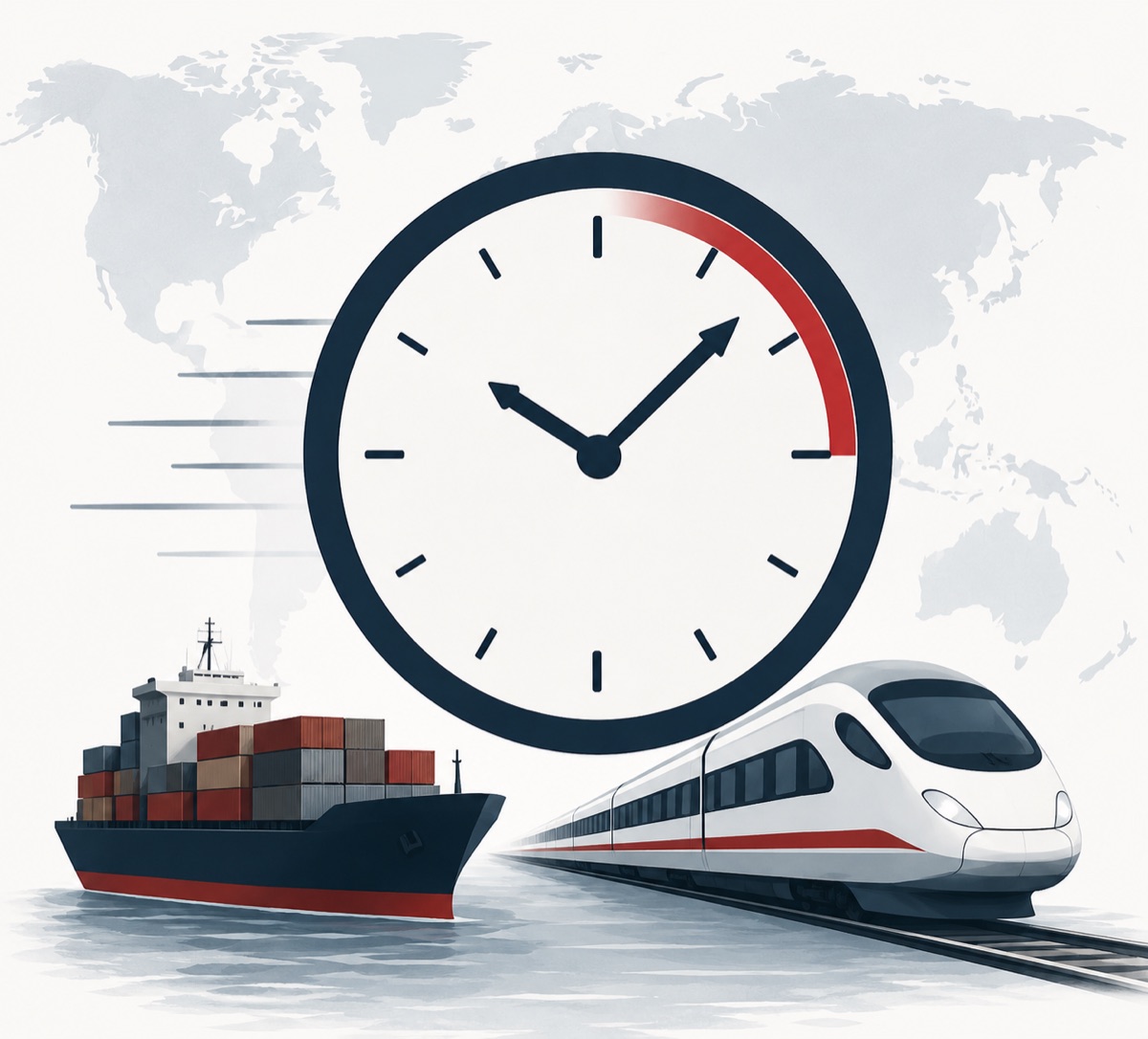
Contract renewals, budget cycles and competitor conversations do not wait for the internal review you cannot see.

Every quarter you report “still in discussion,” the initiative — and its owner — loses standing at home.
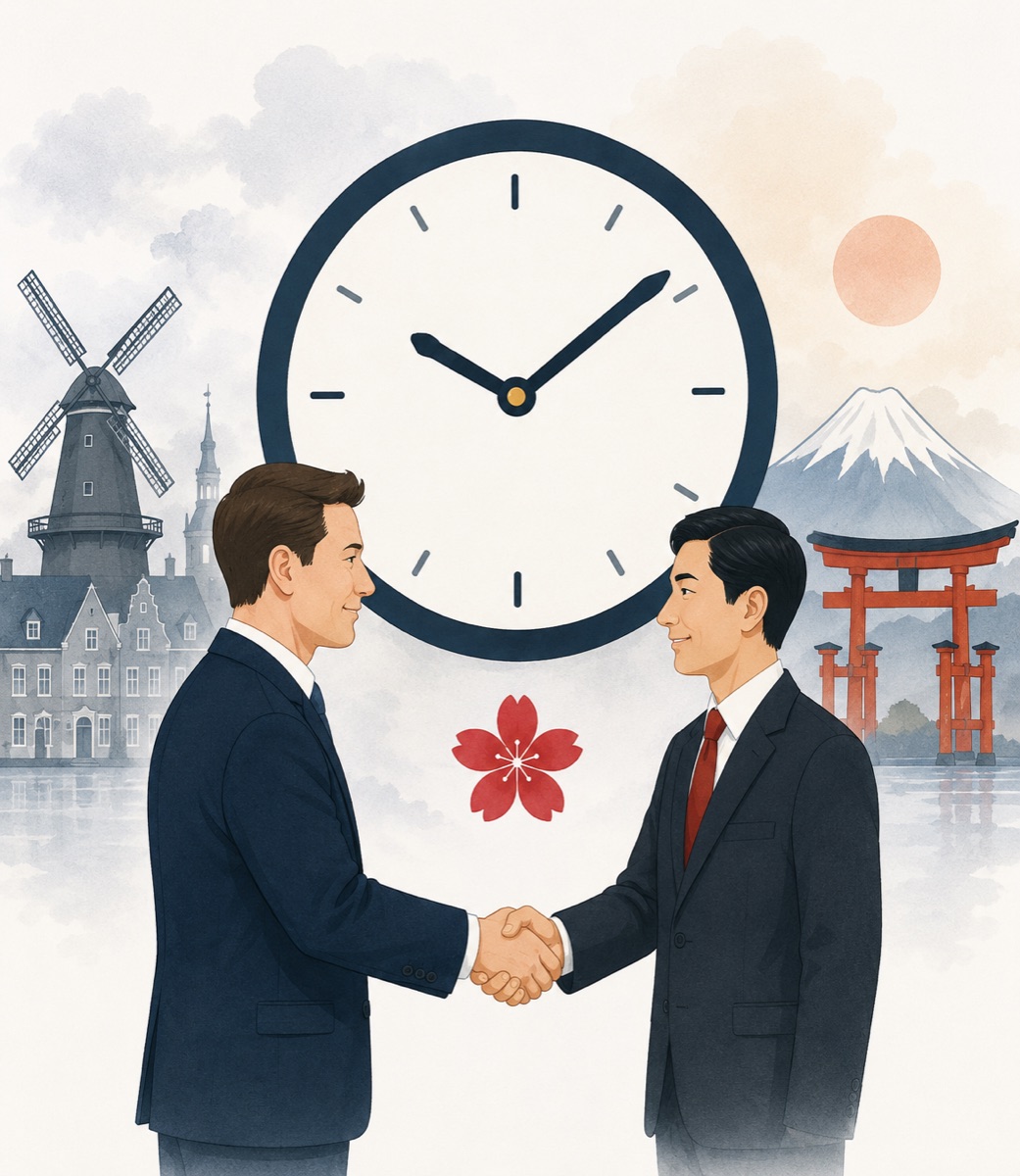
Escalating, adding detail, asking for a faster answer: the usual fixes tend to slow the Japanese side further.
Not every stalled deal is a cultural problem. If our diagnostic finds the real blockage is price, product, contract terms or resources — we tell you exactly that. You should not pay for cultural advice you do not need.
Which is closest to you?
The symptoms overlap — the decision pathways behind them do not. Each situation gets its own page, cases and programme.

You sell to, buy from or co-develop with a Japanese company — and the engagement will not move from discussion to decision.

You work inside a Japanese company's European operation — and getting a yes from Tokyo takes longer than doing the work itself.

Your European HQ owns the strategy. Your Japan organisation is not opposing it — and not executing it either.
Not sure which you are?
The Japan Readiness Self-Assessment walks you through the five areas where Japan-facing initiatives stall — and tells you what each answer means.
 Sakura Japanese Workshop
20 questions to locate where your Japan initiative has stopped — and what to do about each answer.
A 30-minute call to check whether your situation is something we can help with — and to tell you honestly if it is not. No consulting, no pitch.
Book an Initial ConversationGet in touch
Leave your details and we will get back to you within 2 business days. Prefer to talk directly? Book a 30-minute Initial Conversation.
Get In Touch