Europe–Japan Execution Advisory · The Hague
For European leaders and deal teams whose business in Japan is not converting from discussion into execution.
Does this sound familiar?
These are the situations our clients describe in their first call.
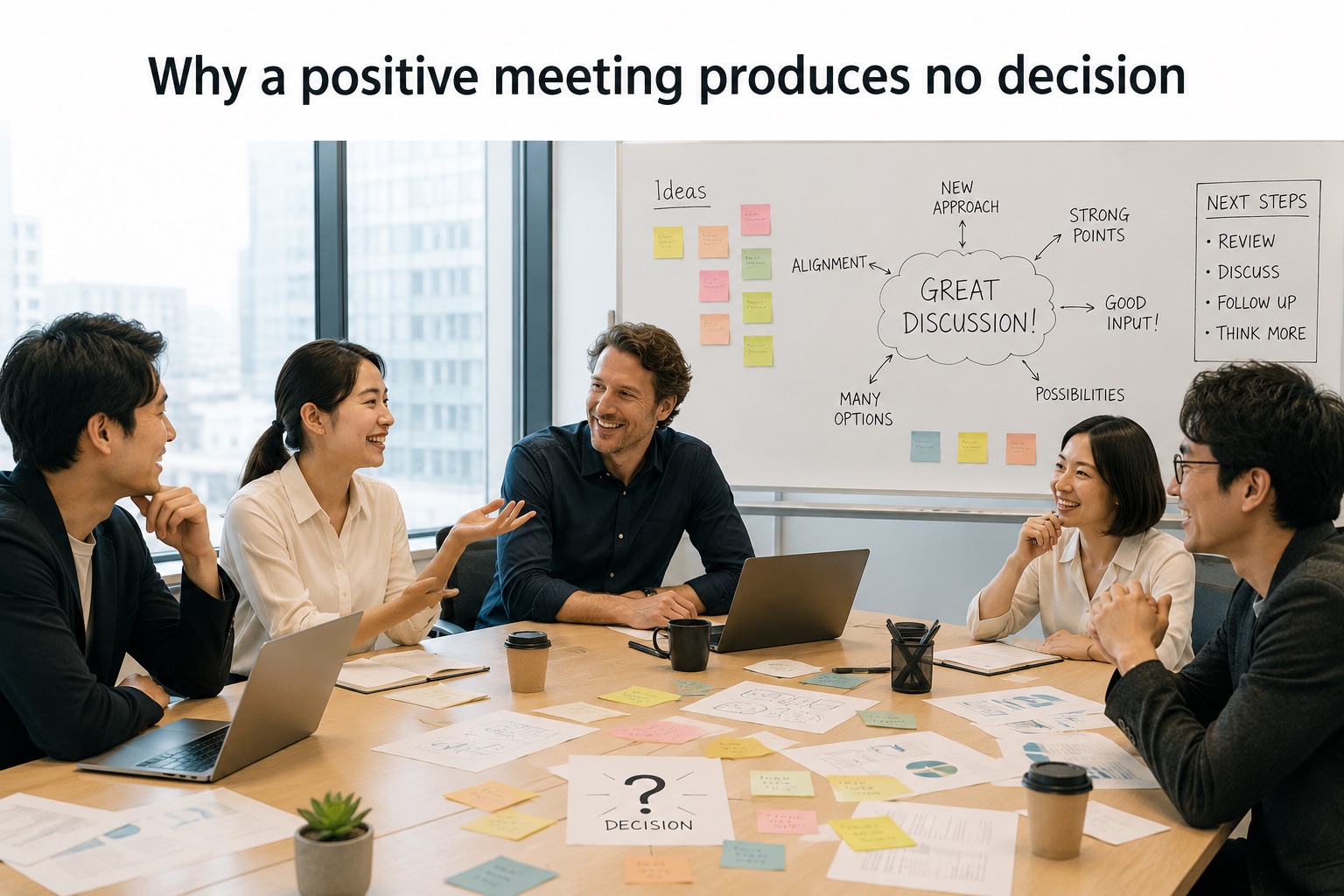
The meeting went well. Nothing has moved since.
Positive reactions, no formal decision.
We will check internally.
You cannot tell how far it has gone — or whether it has gone anywhere.
They keep asking the same question.
Slightly different words, third time this month.
My contact is not the person who decides.
The formal owner and the real influencer are different people.
Tokyo approved it. Europe has not implemented it.
Or the other way around.
Nobody is objecting. Nobody is executing.
Agreement is not yet internal adoption.
What we do differently
We do not teach people how to behave Japanese. We help European and Japanese organisations operate together — on the deal you are working on now.

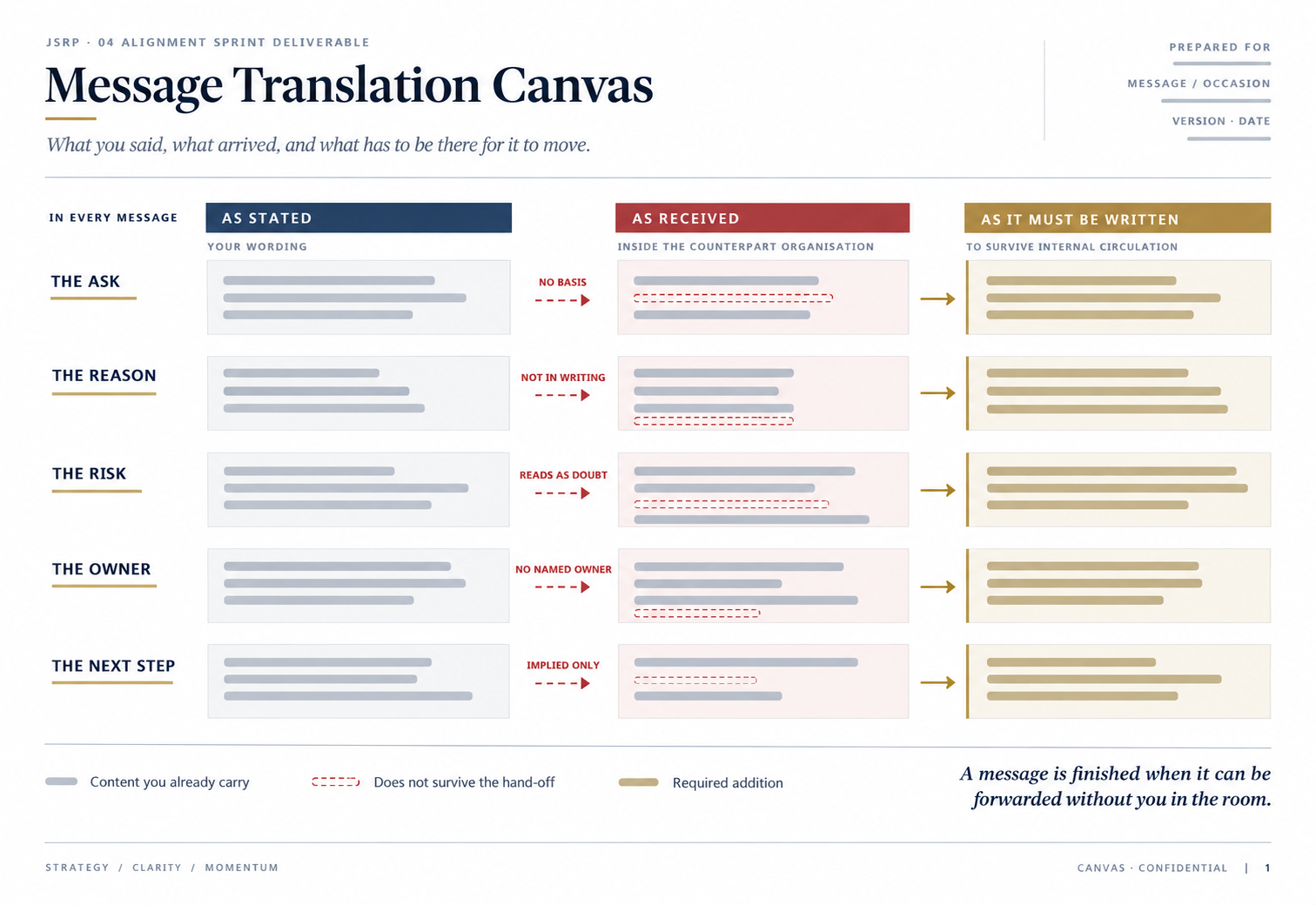
Not a syllabus of culture topics. Your meetings, your proposal, your counterpart — analysed between sessions, redesigned in them.
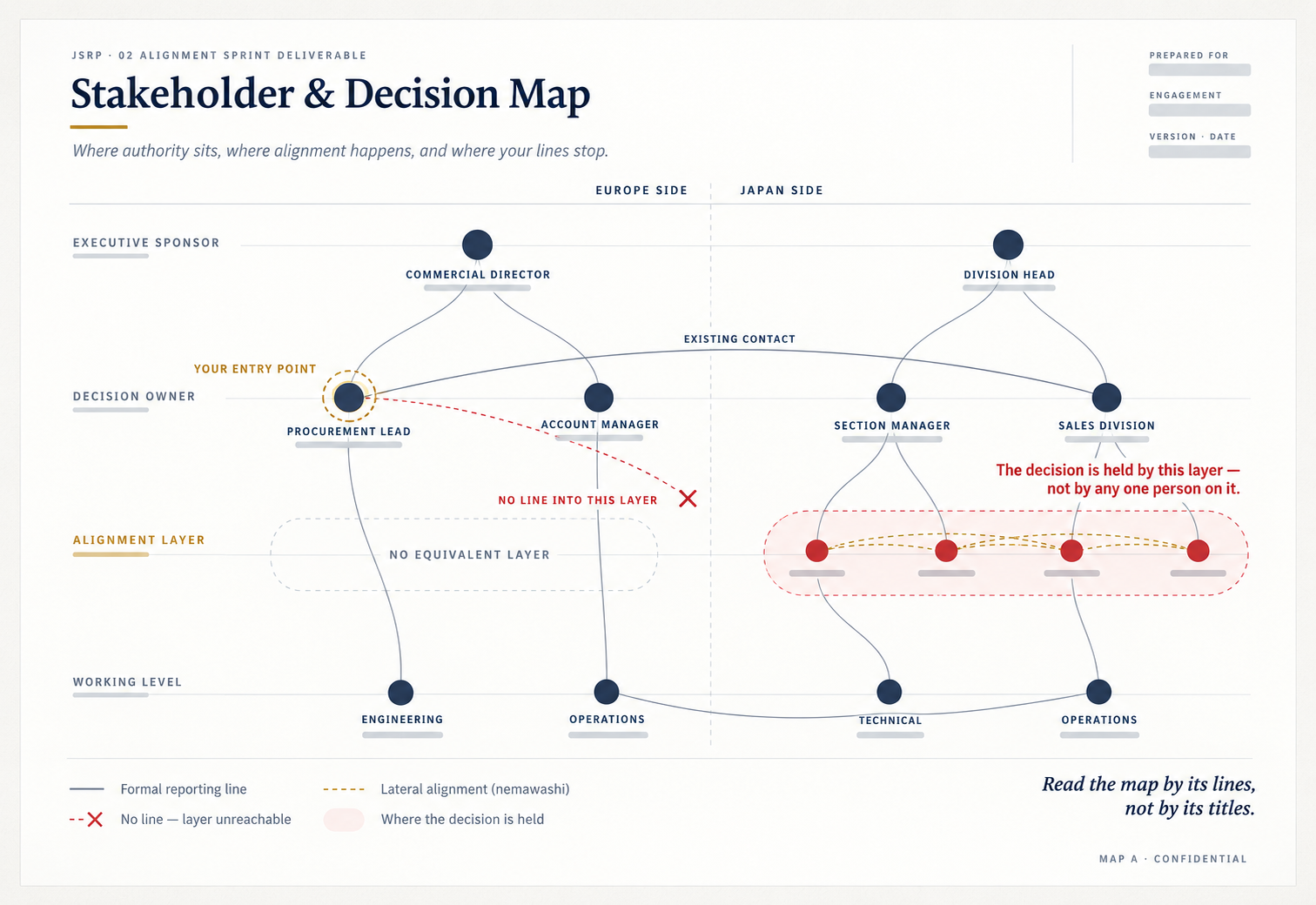
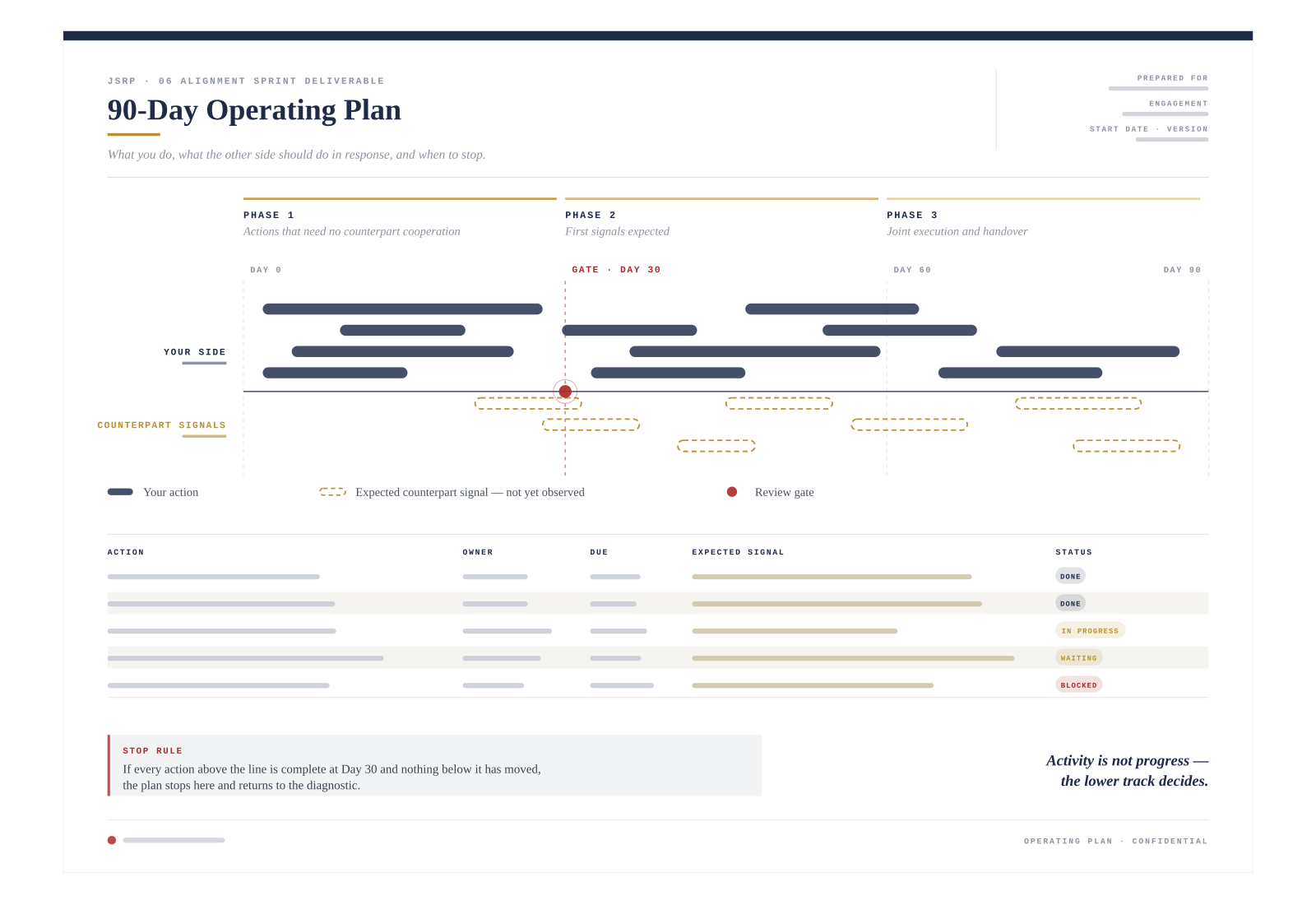
A stakeholder & decision map, a meeting protocol, a 90-day operating plan. Working documents your team keeps using after we leave.

If the blockage is price, product or contract terms, our diagnostic says so. You should not pay for cultural advice you do not need.
Who we work with
Choose the one closest to yours.
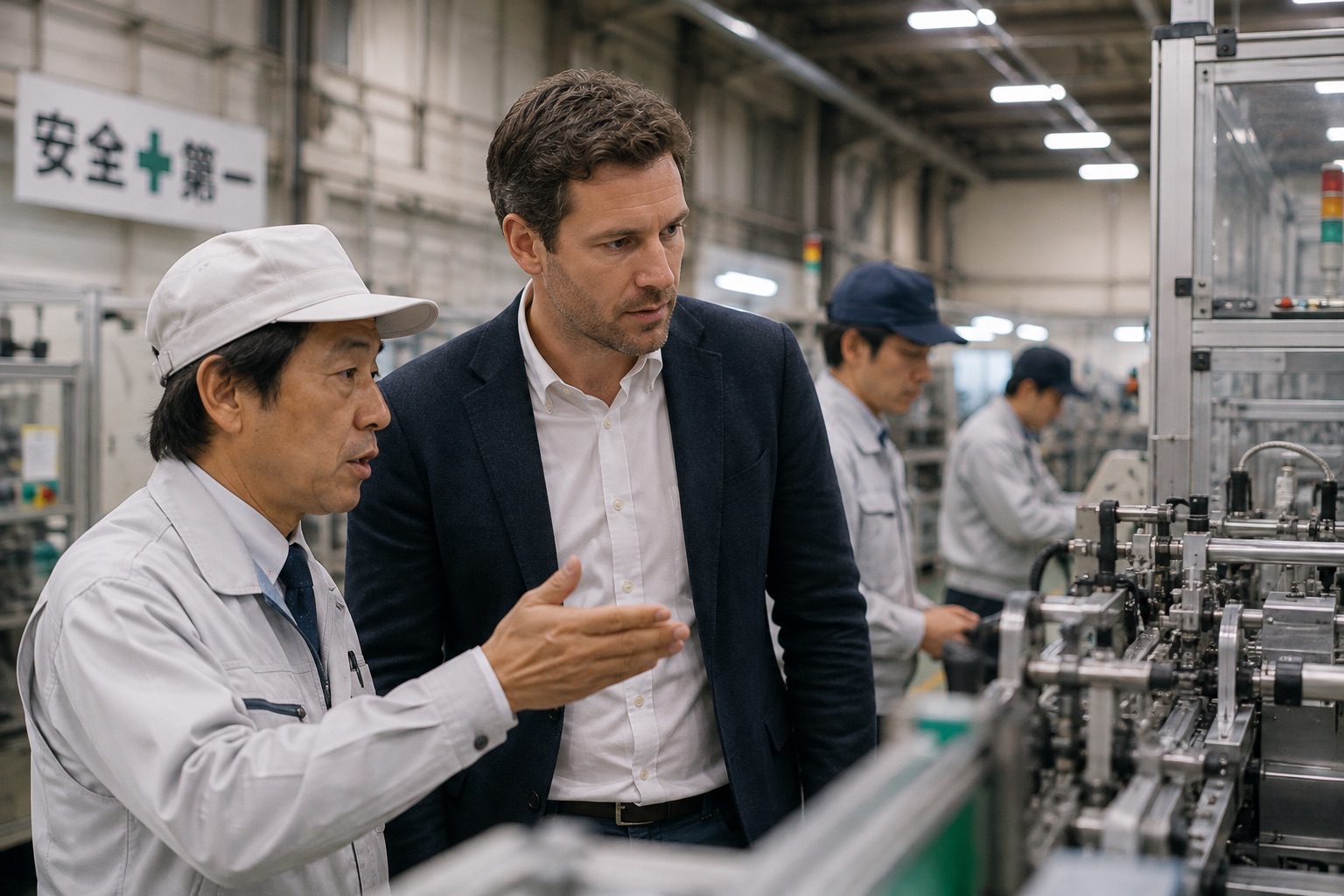
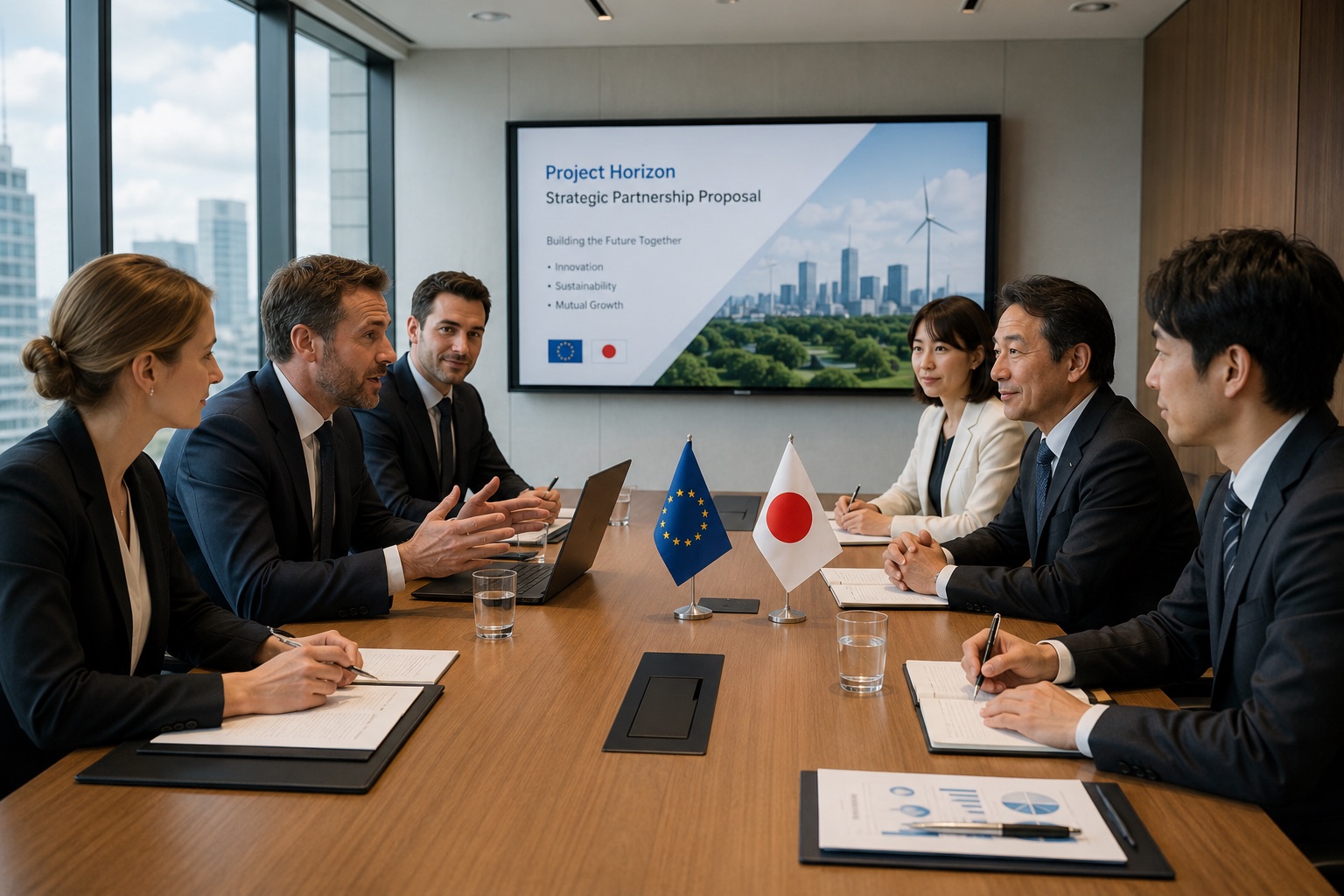
Contracts, co-development and negotiations with Japanese counterparts that will not move from discussion to decision.
How we help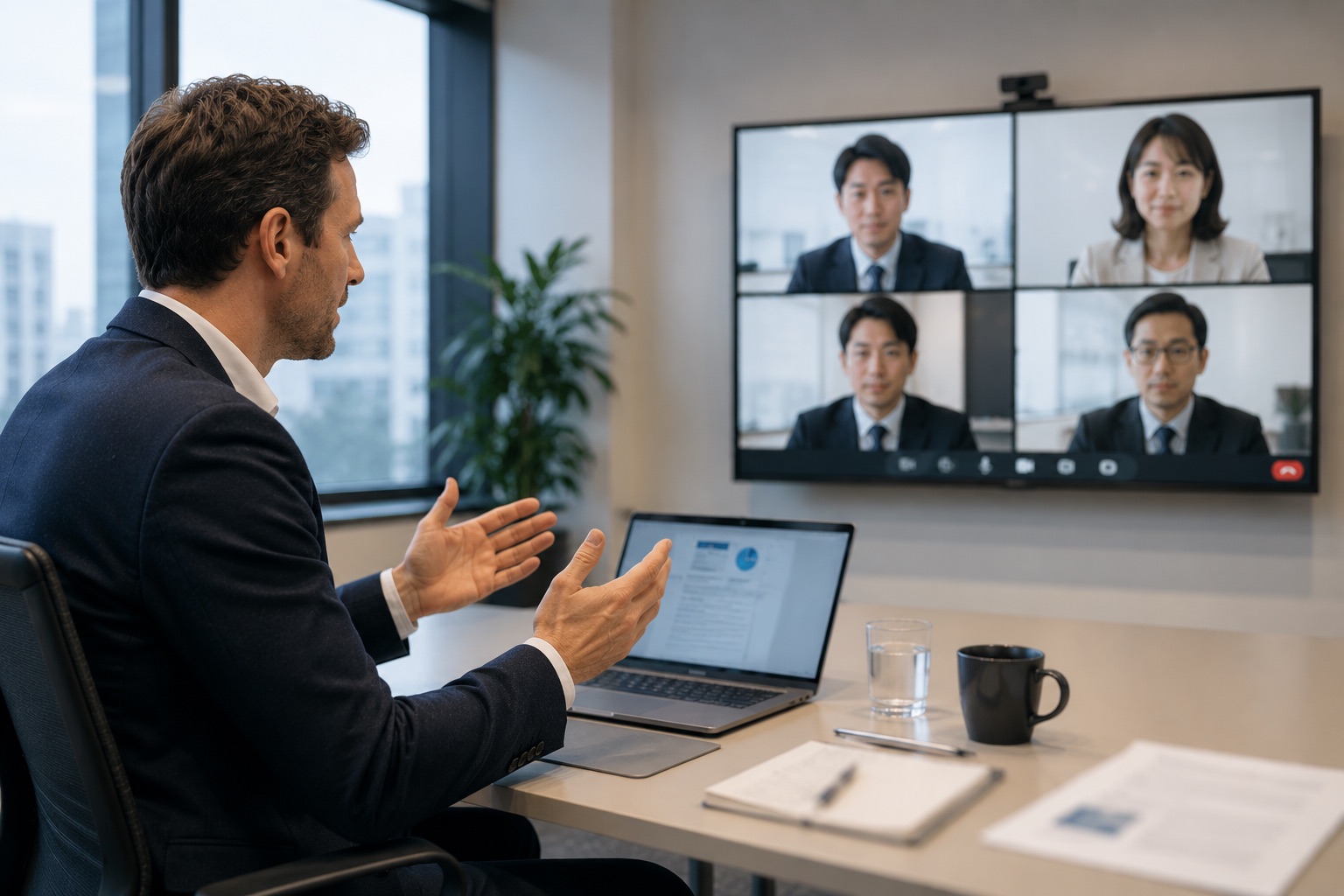
For European teams in Japanese companies: getting proposals through Tokyo — reporting, ringi and internal sponsorship, decoded.
How we help
When your Japan organisation is not opposing the global strategy — and not executing it either.
How we helpHow it works
A staged engagement — you decide after each stage whether to continue.
Find out where the engagement is actually stuck — and whether it is a cultural problem at all.
Map the real stakeholders, redesign the message, rehearse the meeting that matters.
Ongoing support for teams that work with Japan continuously.
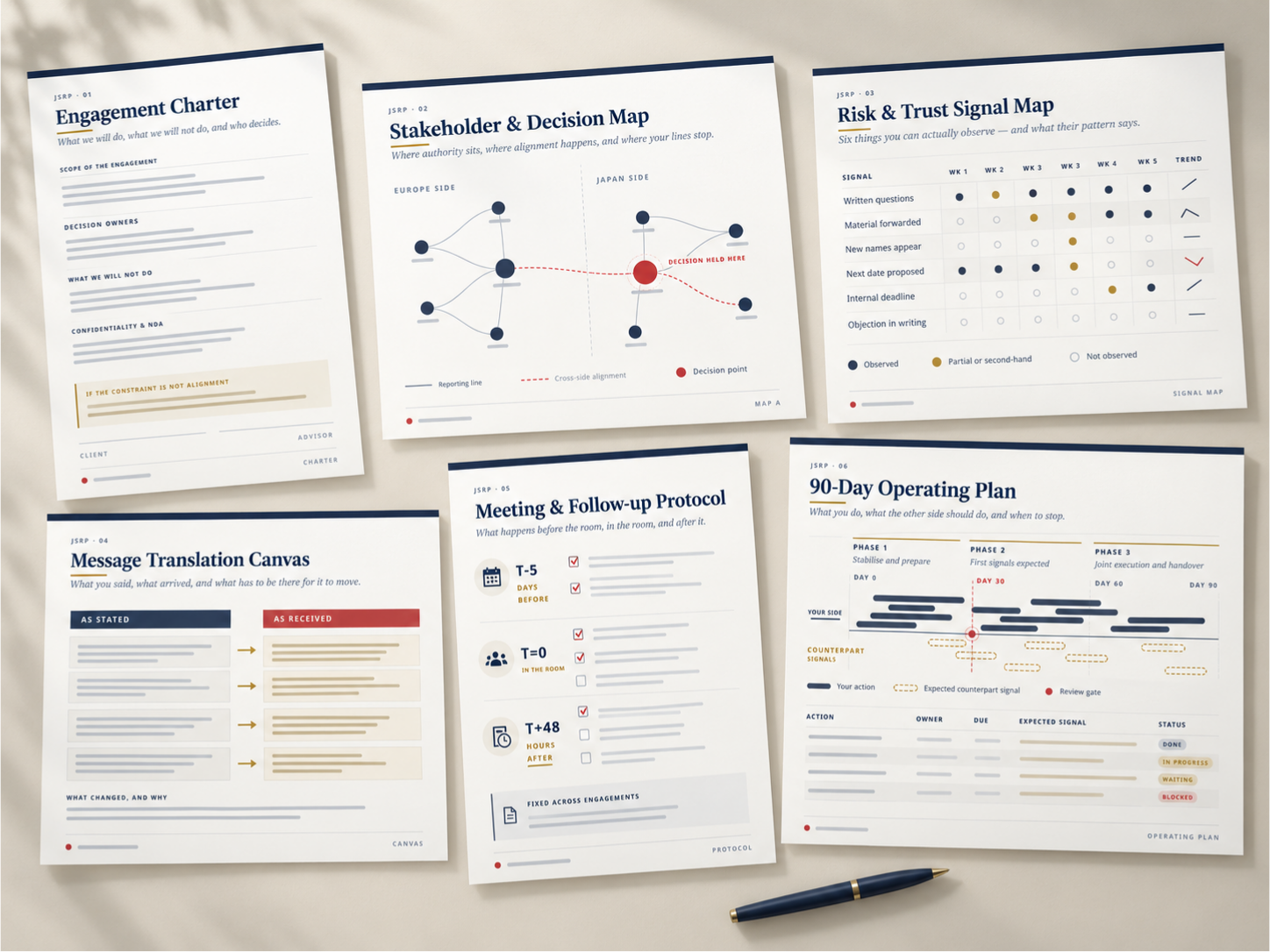
Every engagement leaves working documents inside your team — not slides about Japan, but operating tools for your deal.
Client Voice
The Japanese Strategic Business Readiness Program is a crucial investment for anyone working with Japanese suppliers and customers.
In my role, I have been working closely with Japanese partners for many years. Even with that experience, communication can be nuanced and sometimes difficult to interpret. This program helped me better understand the cultural and business subtleties behind my interactions — as a result, I have seen clearer communication and greater effectiveness in my day-to-day engagement.
One of the strengths of the program was Kenya's adaptive approach. Beyond delivering prepared content, he listened carefully and continuously adjusted the sessions to make it directly relevant to my specific business context. I would strongly recommend this program to anyone working regularly with Japanese companies.

Why us
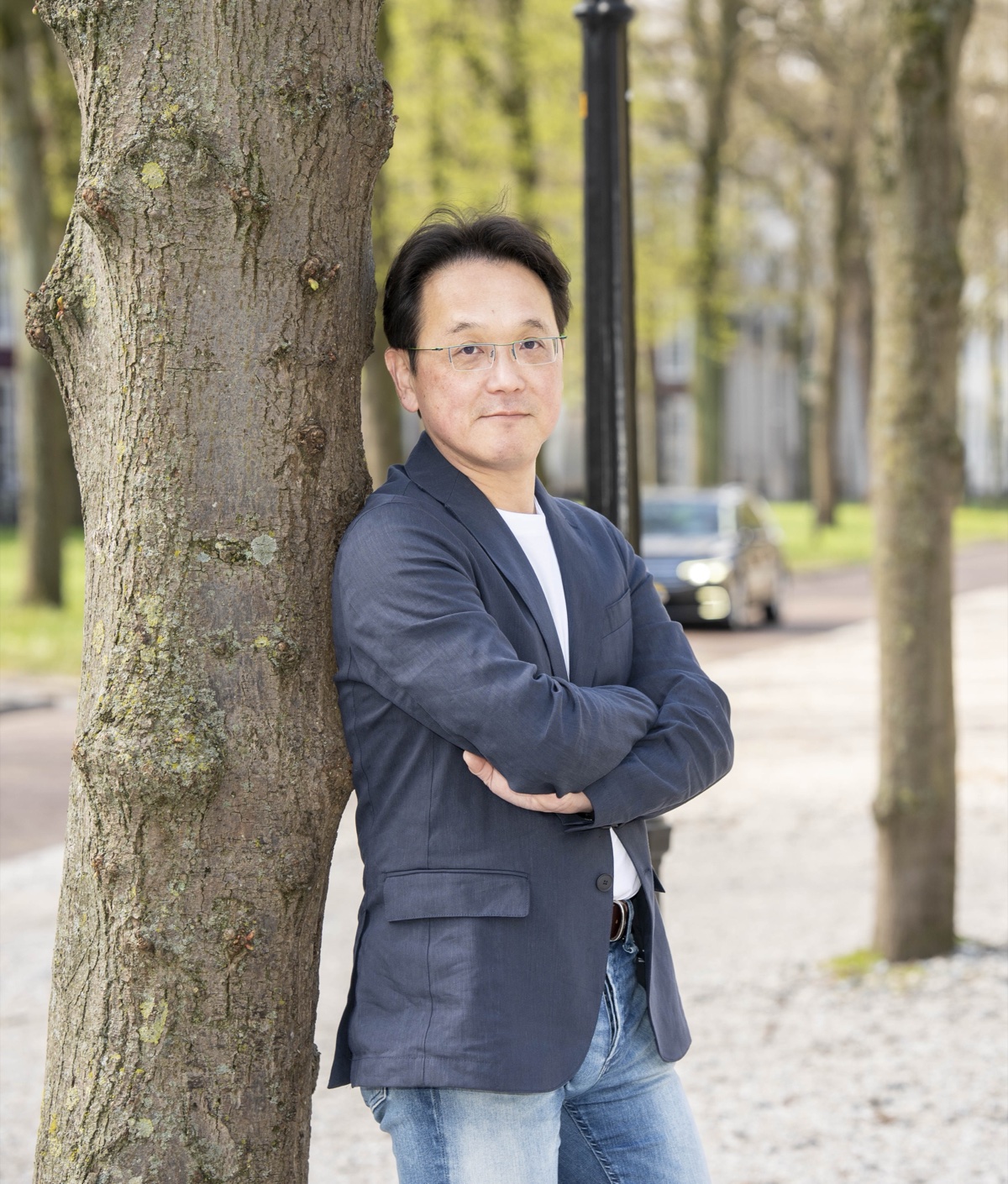
The Japan Strategic Readiness Program (JSRP) was built by an operator, not a trainer — someone who has sat under global HQ pressure inside Japanese organisations, and applied that pressure from the other side.
Running Japanese market operations under global headquarters — hospitality, marketing and brand leadership inside Japan.
Driving execution into the Japanese market from New Zealand, Denmark and the Netherlands — government, airline and consumer brands.
A 30-minute call to check whether your situation is something we can help with — and to tell you honestly if it is not. No consulting, no pitch.
Book an Initial ConversationGet in touch
Leave your details and we will get back to you within 2 business days. Prefer to talk directly? Book a 30-minute Initial Conversation.
Get In Touch